Vietnam remains one of the most rewarding destinations in Asia for both independent travel and organized tours. It has good domestic transportation links, well-established tourist areas, and an overall sense of normalcy that instills confidence from day one. That said, in 2026, it’s best to discuss safety in more nuanced terms rather than relying on absolute headlines.
To say that it is “the safest country in the world” oversimplifies a reality that, as with any destination, depends on the city, the time of year, and the type of traveler. What’s really helpful for anyone planning a vacation is knowing what to expect on the ground: what risks are common, which areas are safe to explore, and what precautions are worth taking without causing undue alarm.
For most travelers, Vietnam conveys a clear sense of being a welcoming, vibrant, and fairly easy-to-navigate destination. The local hospitality, the richness of its culture, the variety of landscapes, and an increasingly well-developed tourism infrastructure explain why it remains one of the most highly recommended travel destinations in Southeast Asia.
What level of safety can a traveler expect in Vietnam?
The perception of safety in Vietnam is generally good, especially along popular tourist routes such as Hanoi, Ho Chi Minh City, Hoi An, Hue, Ninh Binh, Sapa, and Halong Bay. Travelers will find well-established hotels, transfers, tours, and services, which reduces any sense of uncertainty and makes the trip more comfortable.
That doesn’t mean traveling with a false sense of security. In 2026, it makes sense to view Vietnam as a generally safe destination, though not one free from common minor incidents: opportunistic pickpocketing, minor scams in heavily touristed areas, heavy traffic, or confusion over prices and transportation. These are manageable issues, though it’s a good idea to be aware of them before you go.
Safety in Vietnam is more a matter of common sense than a real cause for concern. It isn’t usually a destination that causes constant anxiety, but it does require attention to everyday details that greatly influence the travel experience.
Most Common Risks When Traveling to Vietnam in 2026
Most incidents that affect tourists do not involve serious violence, but rather practical, everyday situations. That is why it is more worthwhile to prepare for the likely scenarios than to obsess over rare ones.
These are the points you should pay the most attention to:
- Chaotic traffic in big cities: Crossing the street in Hanoi or Ho Chi Minh City can be daunting at first. The key is to keep a steady pace, avoid stopping abruptly, and watch the locals.
- Petty theft: especially of cell phones, purses, or cameras on crowded streets or from motorcycles. Carrying only the essentials and avoiding displaying valuables helps a lot.
- Inflated prices in highly touristic areas: this can happen with taxis, markets, souvenirs, or informal services. It’s best to agree on the price beforehand or use options with clear rates.
- Nighttime or informal transportation: Not all routes offer the same level of comfort and safety. It’s best to choose well-known operators and book well in advance.
- Heat exhaustion, humidity, or accumulated fatigue: an underestimated risk, especially on strenuous routes. Staying well-hydrated and slowing down can make the trip much more enjoyable.
None of these points should deter you from traveling to Vietnam, but it’s a good idea to factor them into your plans to avoid unnecessary surprises and get around more easily from day one.
Why Vietnam Inspires Such a Sense of Peace When Traveling
One of Vietnam’s greatest strengths is that the trip flows smoothly. Even when there is noise, traffic, or a lot of activity, travelers sense that there is a well-established tourist routine. That instills confidence, especially in first-time visitors to Asia.
The local hospitality also helps. Vietnam stands out not only for its landscapes and cuisine, but also for the way it welcomes visitors—which is usually warm and practical. This hospitality is evident in small gestures: someone who gives you directions on the street, a place to stay that helps you with transportation, or a guide who adapts the pace of the day to your needs.
That combination of lively local life and an increasingly sophisticated tourism experience makes many people see Vietnam as a vibrant country, but not an unwelcoming one. And for a long-haul destination, that makes a big difference.
Cities and areas where traveling is easier

Vietnam offers very different experiences depending on the region. There are bustling cities, quieter historic districts, rural areas with a different pace of life, and a coastline where you can relax after a busy day of travel. Choosing the right itinerary has a big impact on how safe and enjoyable your trip will be.
In general, these areas tend to be great choices for a first trip:
- Hanoi: chaotic, cultural, and full of character. You’ll need to adjust to the traffic, but it’s a great place to start getting to know the country.
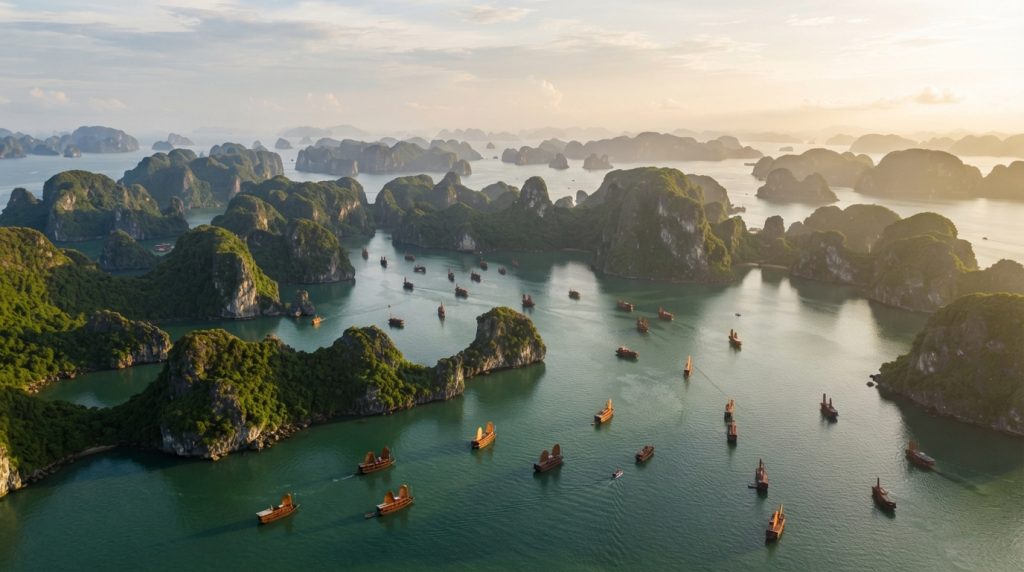
- Halong Bay and the surrounding area: one of the highlights of the trip. It’s a good idea to choose your cruise or tour carefully to ensure you enjoy it in comfort.
- Ninh Binh: a wonderful alternative for those seeking spectacular scenery and a more relaxed pace.
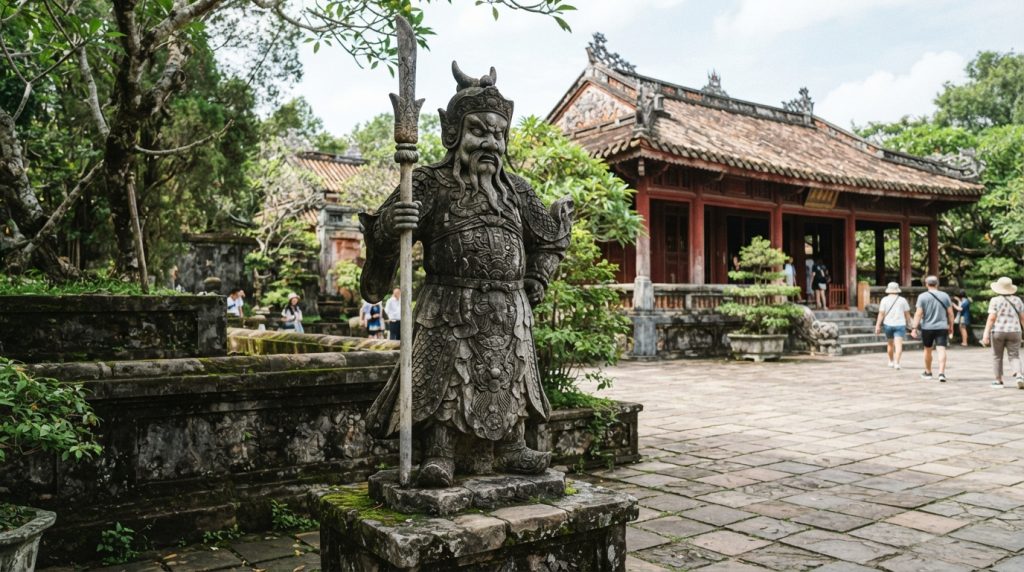
- Hue: ideal for those who want history, cultural heritage, and a more leisurely atmosphere.
- Hoi An: comfortable, picturesque, and easy to explore on foot or by bike. It’s usually a big hit with couples and first-time travelers.
- Ho Chi Minh City: more vibrant, modern, and dynamic. Very helpful for understanding contemporary Vietnam.
- Beaches and coastal areas: perfect for ending your trip on a relaxing note—as long as you choose the right season and type of lodging.
The best itinerary isn’t the one that packs in the most places, but the one that strikes a balance between travel time, sightseeing, and rest. In Vietnam, this is especially evident.
Landscapes that explain why Vietnam is so captivating
Few countries offer such visual variety in a single trip. The north surprises visitors with mountains, rice paddies, and villages with a strong cultural identity. The central region blends heritage, rivers, and cities with a more leisurely pace. The south offers urban energy, the delta, floating markets, and a very different way of life.
This diversity makes Vietnam not just a “safe” or “easy” destination, but also a deeply fulfilling journey, both emotionally and in terms of scenery. There are moments for gentle adventure, for contemplation, for photography, for great food, and for feeling that each stage has its own unique character.
Practical Tips for Stress-Free Travel
Traveling safely isn’t about being suspicious of everything, but rather about making simple decisions that prevent most problems. In Vietnam, a few habits can make a big difference.
Before and during your trip, it’s a good idea to keep these recommendations in mind:
- Purchase comprehensive travel insurance with good medical coverage and assistance.
- Keep digital copies of your passport, reservations, and important documents.
- Use reliable transportation and accommodations, especially for late-night arrivals or long trips.
- Don’t carry all your money with you; spread out your cash, cards, and documents.
- Ask for prices before agreeing to services when there is no visible rate.
- Keep an eye on your cell phone and backpack in crowded areas, markets, and intersections with lots of motorcycles.
- Adjust your pace to the weather, especially if you’re traveling during hot or humid months.
If you take these precautions, Vietnam is usually a very rewarding destination. Being prepared doesn’t take away from the spontaneity; on the contrary, it allows you to enjoy yourself more and better handle any minor unexpected issues.
Common Mistakes in Assessing Vietnam’s Security Situation
The first mistake is to rely on outdated or overly sweeping headlines. You can’t truly understand a country by simply saying it’s “completely safe” or “dangerous.” What’s important is to distinguish between actual risk, perception, and specific travel experiences.
Another common mistake is comparing Vietnam to European destinations using an overly rigid mindset. There, the traffic, the pace of life, the way people negotiate in certain situations, and the way people get around are all different. What at first seems like chaos is often simply a different way of doing things, and understanding that goes a long way toward reducing the stress of traveling.
It’s also a good idea to avoid overly ambitious itineraries. Trying to see too much in just a few days leads to more fatigue, more rushing, and poorer decisions. In a country as long and diverse as this one, planning realistically is almost as important as choosing the right places to visit.
So, is it worth traveling to Vietnam in 2026?
Yes, Vietnam remains a highly recommended destination for 2026, both for first-time travelers to Asia and for those seeking a destination with greater cultural depth, more contrast, and more authenticity. Not because it’s perfect or free of drawbacks, but because it offers so much in return and usually leaves travelers with very fond memories.
If you’re looking for a country with unforgettable landscapes, amazing cuisine, cities full of character, and a great travel experience, Vietnam is a perfect fit. And if you plan your itinerary carefully, choose your transportation wisely, and take the usual precautions, your experience will most likely be comfortable, exciting, and very fulfilling.
The best way to make the right choice isn’t to obsess over whether or not Vietnam is “the safest country in the world,” but to understand what kind of trip you want to take. When your itinerary is well-planned, Vietnam usually exceeds expectations. That’s the most useful starting point for traveling with peace of mind and truly enjoying your trip.