
If you search for the name Ho Chi Minh on Google, you will most likely find information on two very different topics. The first and best known is Ho Chi Minh as a city in Vietnam; in fact, it is the largest city in the country, with around 10 million inhabitants. The second topic is a biography: that of the poet and political insurgent Ho Chi Minh, who was a key figure in the country’s formation, then Prime Minister, and finally President of the Democratic Republic of Vietnam (also known as North Vietnam).
After North Vietnam (the socialist Vietnam founded by Ho Chi Minh) won the war in 1975, the former city of Saigon was renamed after him in his honour.
The city’s former name—Saigon—remains commonly used by locals. Although Saigon was renamed Ho Chi Minh City, he never saw a unified Vietnam, as he died six years before the war ended, in 1969. We wanted to mention Ho Chi Minh as a key figure for this city before moving on to talk about the city itself.
History of Ho Chi Minh City
The area where Ho Chi Minh City stands was part of the Khmer Empire for many centuries, the founders of present-day Cambodia. Initially, the area around the city (then known as Prey Nokor) was full of many small fishing villages with no economic or strategic importance.
In the 15th century, the entire area passed into Vietnamese hands following an agreement between the King of Cambodia and the Vietnamese emperor. The Vietnamese then renamed the city Sài Gòn (Saigon in Spanish). In 1859, the French occupied Saigon and left a lasting mark in the form of architecture that is still visible today: many buildings are European and colonial in inspiration, which has led Ho Chi Minh City to be known as the Paris of the East. After South Vietnam’s defeat in the Vietnam War, the city was renamed Ho Chi Minh City in honour of the founder of socialist Vietnam.
What Ho Chi Minh City is like
Ho Chi Minh City is primarily service-oriented, with high population density and commercial areas throughout the city. It also concentrates a large part of Vietnam’s financial activity, with a significant financial district featuring skyscrapers, luxury hotels, and all the services associated with executives and businesspeople. However, in the city’s historic centre you can wander the streets and find a bit more peace and quiet and, although it is not the best place for it, you can still get a taste of more traditional Vietnam. Ho Chi Minh City’s tourist attractions are mostly museums and colonial or government buildings. The city can be fully visited in 2 to 3 days.
Top attractions in Ho Chi Minh City
Below we list some of the city’s main attractions, most of them geared towards cultural tourism. Outside the city, although not very far away, you can visit the Cu Chi tunnels.
War Remnants Museum
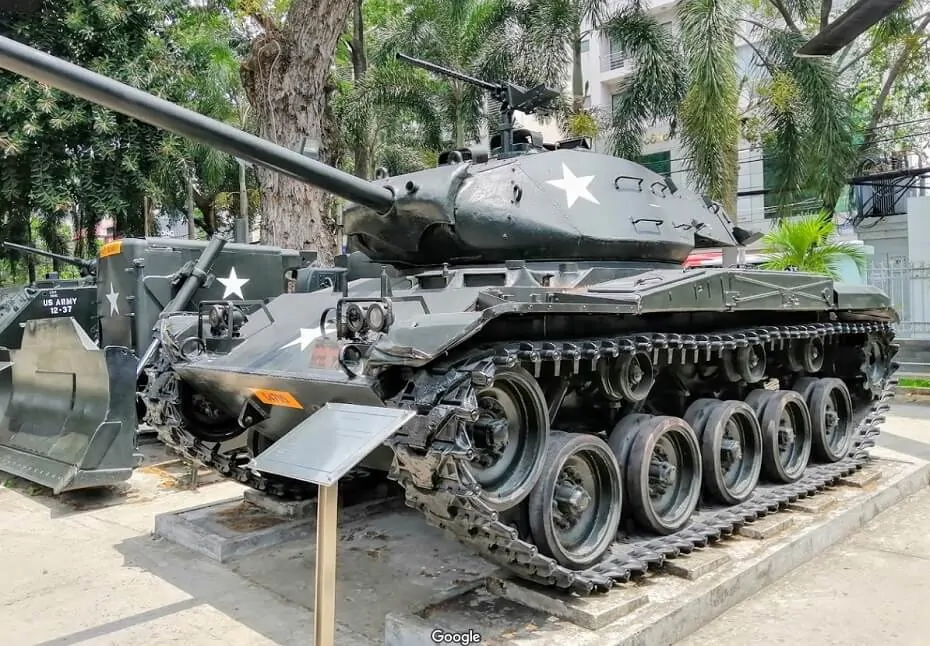
The War Remnants Museum is currently one of Vietnam’s most popular museums, attracting approximately half a million visitors each year. According to the museum’s own estimates, around two thirds of them are foreigners. The museum is divided into a series of themed rooms, with period military equipment displayed in the museum courtyard. At the War Remnants Museum, you can see, among many other things:
- A UH-1 “Huey” helicopter
- An F-5A fighter jet
- An M48 Patton tank
- An A-1 Skyraider attack bomber
- An A-37 Dragonfly attack bomber
- Various unexploded munitions
- The “tiger cages” in which the South Vietnamese government held political prisoners
Other exhibits include photographs and graphic material describing the effects of Agent Orange and other chemical defoliant sprays used by the US, the use of napalm and phosphorus bombs, and several of the atrocities committed during the war, such as the My Lai massacre. The photo exhibition includes works donated to the museum by Vietnam War photojournalist Bunyo Ishikawa. Also, as a curiosity, you can see a guillotine used by the French and the South Vietnamese to execute prisoners (last used in 1960), and three jars of preserved human foetuses allegedly deformed by exposure to dioxins and similar compounds found in the Agent Orange defoliant.
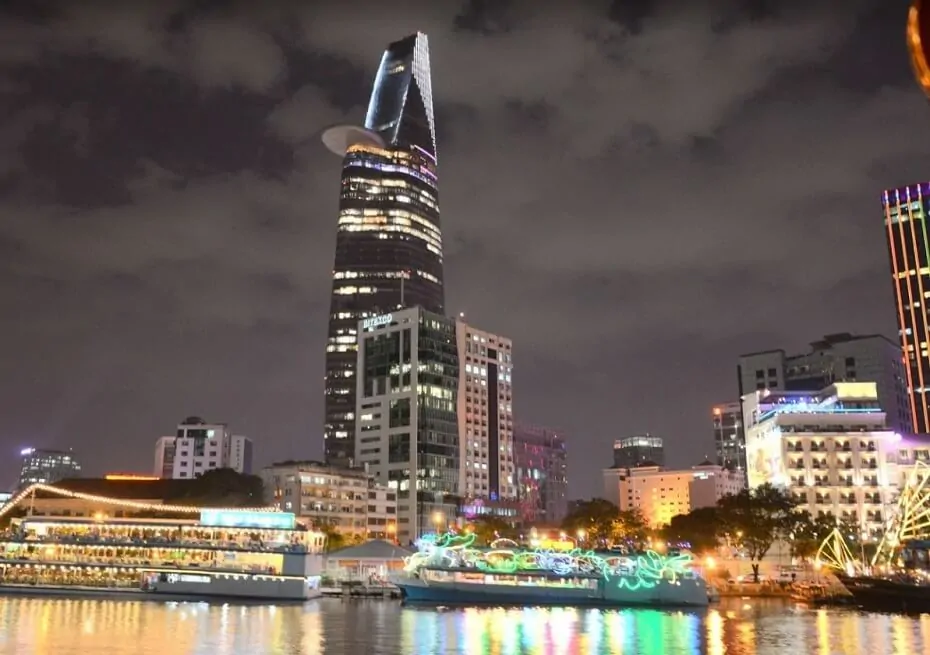
Saigon Skydeck at the Bitexco Tower
In 2010, the Bitexco Tower became the tallest building in Vietnam and held this status until January 2011, when it was surpassed by the Keangnam Hanoi Landmark Tower. With 68 above-ground floors and three basement levels, the building has a total height of 262.5 metres, making it the second-tallest building in the city and the fifth-tallest in Vietnam. The Bitexco Tower houses the Saigon Skydeck panoramic observatory, which opened to the public on 1 January 2011 and was officially inaugurated in July of the same year. The observation deck offers a 360-degree panoramic view of Ho Chi Minh City, as well as bars and restaurants and a gift shop. The Saigon Skydeck is open every day, and the ticket price is around €8 at the current exchange rate.
Notre-Dame Cathedral in Vietnam
Founded by French colonists who initially called it Cathédrale de Notre-Dame de Saïgon, the cathedral was built between 1863 and 1880. Like the original, it has two bell towers, although it is much shorter: 58 metres. On the site where the cathedral stands, there had previously been a Vietnamese pagoda, which was abandoned during the Franco-Vietnamese War. All construction materials were imported from France: the cathedral’s exterior wall was built with bricks from Toulouse. Although no dye was used in making the bricks, they have retained their original bright red colour to this day.

Post Office
The Ho Chi Minh City Post Office is a post office in the city centre, very close to the aforementioned Basilica of Notre-Dame of Saigon, the city’s cathedral. The building was constructed by Gustave Eiffel when Vietnam was part of French Indochina in the late 19th century and is an example of the typical architecture of the time. It features Gothic, Renaissance, and French influences. It was built between 1886 and 1891 and is now a tourist attraction.

Ben Thanh Market
The market originated from informal markets created by street vendors in the early 17th century who gathered in this area near the Saigon River. It was formally established by the French colonial powers after the occupation of the city in 1859. Ben Thanh Market is located in the centre of Hồ Chí Minh City and is one of the earliest surviving structures in Saigon, having endured the war bombings. Ben Thanh Market is popular with tourists looking for local handicrafts, souvenirs, and local cuisine.

Reunification Palace (or Independence Palace)
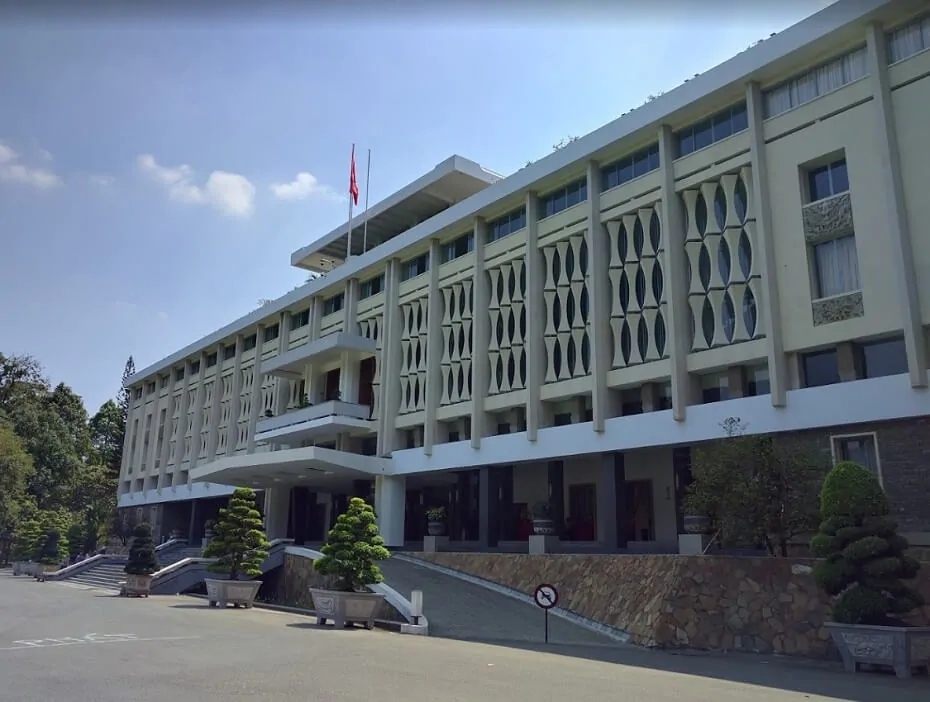
The Independence Palace, also known as the Reunification Palace, was built on the site of the former Norodom Palace (a palace built by the French after the colonisation of Indochina). It was the home and workplace of the President of South Vietnam during the Vietnam War, and the place that marked the end of the Vietnam War during the Fall of Saigon on 30 April 1975: a North Vietnamese Army tank smashed through its gates, bringing the confrontation between the South and the North to an end.
Bar hopping in Pham Ngu Lao
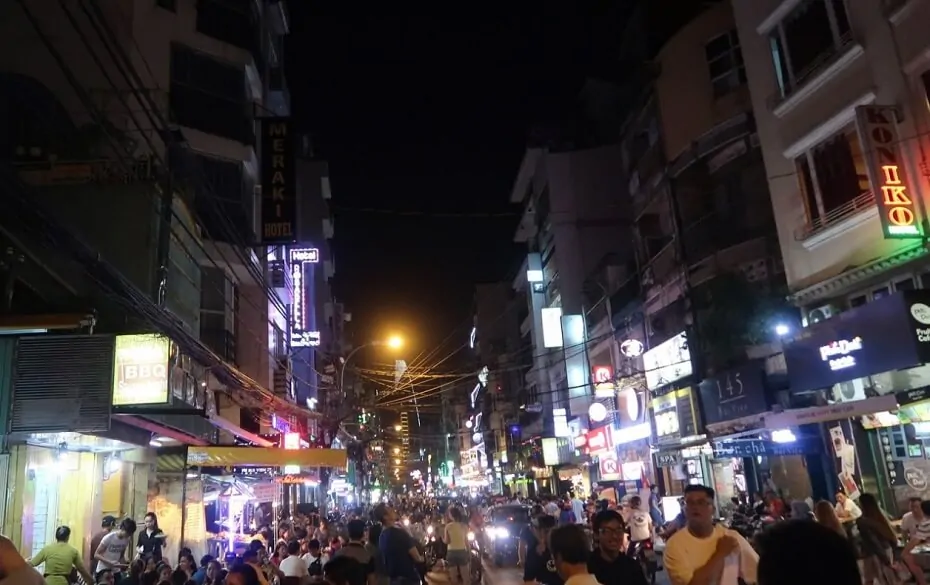
Phạm Ngũ Lao Street and its surrounding area are known as Saigon’s backpacker district, in the city’s District 1. This area is frequented by Ho Chi Minh City residents and by tourists who visit the local street markets to buy cheap clothes, counterfeit goods, DVDs, souvenirs, and war memorabilia. There are numerous bars and cafés that attract many tourists and backpackers. In Vietnamese, this area is called “khu Tay ba lo”, or the backpacker neighbourhood. The Pham Ngu Lão area is also known for its affordable guesthouses and hostels, as well as for the availability of travel agencies catering mainly to budget travellers, similar to the Khao San Road area in Bangkok, Thailand.
Would you like to explore more of Vietnam? Visit our Organised tours in Vietnam section and choose the option that best fits your budget and time.


