
Chiang Mai is the largest city in Northern Thailand and the country’s second most important city after Bangkok! It is located approximately 700 kilometers north of the capital, Bangkok, surrounded by some of the highest peaks in the country. Visitors to Chiang Mai can expect a city that offers primarily cultural attractions, away from the hustle and bustle, diversity, and occasional chaos of Bangkok. Although the city itself has 150,000 inhabitants, the entire surrounding metropolitan area has a population of about 700,000.
History of Chiang Mai
Chiang Mai was founded in 1294 by King Mengrai on the site of an older city called Wiang Nopburi. Chiang Mai means “new city”, as it replaced Chiang Rai as the capital of the Lanna Kingdom (the people who still live in the area, numbering around 17,000). Mengrai fortified Chiang Mai to contain Burmese incursions, but the city fell under Burmese control on several occasions until it returned to Thai rule in 1774. After a period of depopulation until nearly 1800, Chiang Mai re-emerged and remains, to this day, a city of notable cultural and commercial importance.
What to see in Chiang Mai
Chiang Mai is well known for the high density of Buddhist temples you can find in the city; there are more than 300 of notable importance. It is also worth visiting the city during one of its many festivals, such as:
- Loi Kratong or Yi Peng: during the full moon in November, lanterns decorated with flowers and lit by a candle are released onto the water and into the air.
- Songkran: the Thai New Year celebration during the month of April
- Flower Festival: at the end of February, the first tropical flowers begin to bloom in Thailand
If you are visiting for one or more days, the most interesting attractions in Chiang Mai are the following.
Old Town
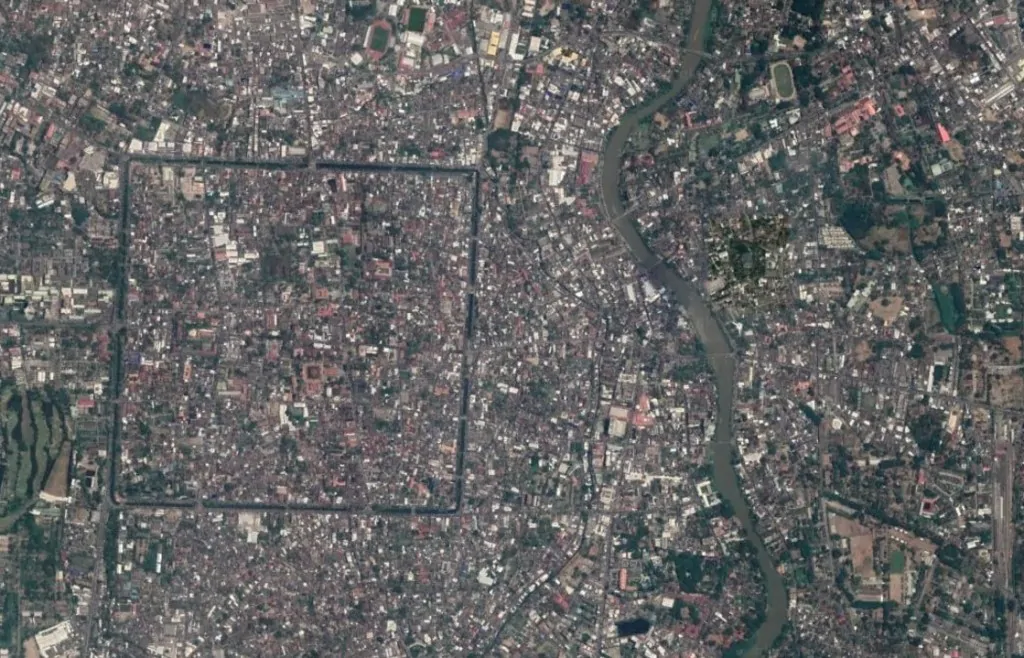
Chiang Mai’s Old Town is still surrounded by the walls and moats that protected the city from incursions in the Middle Ages, and the city centre still retains much of Thailand’s essence. In addition, in Chiang Mai’s historic centre you can find numerous Buddhist temples and markets, so strolling and wandering through the heart of the city is a highly recommended option to soak up the flavour of this part of Thailand.
In recent years, cafés in a pure chill-out style have become fashionable: attractively decorated places where you can have a Starbucks-style coffee, with Wi-Fi, sun loungers, sofas… They are not the cheapest places to grab a coffee, but they are small oases where you can relax and cool down after a walk around the city centre.
Doi Suthep Mountain and Wat Phra Temple (and more temples)
Doi Suthep Mountain is just a few minutes away by motorbike or taxi from Chiang Mai city centre, to the northwest of the city. Doi Suthep is an important pilgrimage centre for Buddhist practitioners. From the mountain, if the day is clear and the weather allows it (during the rainy season you may find the sky overcast or foggy), you will have a panoramic view of Chiang Mai. The main attraction of Doi Suthep is Wat Phra Temple, famous throughout Thailand. Wat Phra is a complex of buildings dedicated to Buddhist worship, featuring, among other highlights, a golden pagoda around 25 metres high.

In Chiang Mai, in addition to Wat Phra, you will find numerous Buddhist temples, some of them in the historic centre itself. Some of the most beautiful are:
- Wat Lok Moli
- Wat Rajamontean
- Wat Chiang Man
- Wat Phra Singh
- Wat Buppharam
Enjoy a Thai massage
The tranquillity of Chiang Mai invites you to treat yourself to a proper Thai massage. In the city you will find numerous spas specialising in top-quality massages, although you can also enjoy a wonderful foot massage at one of the city’s street markets.

Visit the Elephant Nature Park
Chiang Mai’s Elephant Nature Park is a rehabilitation centre for mistreated elephants that have been exploited or used elsewhere in Thailand for shows, as beasts of burden, or for carrying tourists. At OneMoreDestination, we do not recommend taking photos with animals of any kind, as animals used in the tourism industry often suffer the consequences of a life of overcrowding and stress. A visit to the Elephant Park will allow you to see elephants living in semi-freedom, accustomed to people and receiving all the care they need to live a full and happy life.

Excursion to Sukhothai
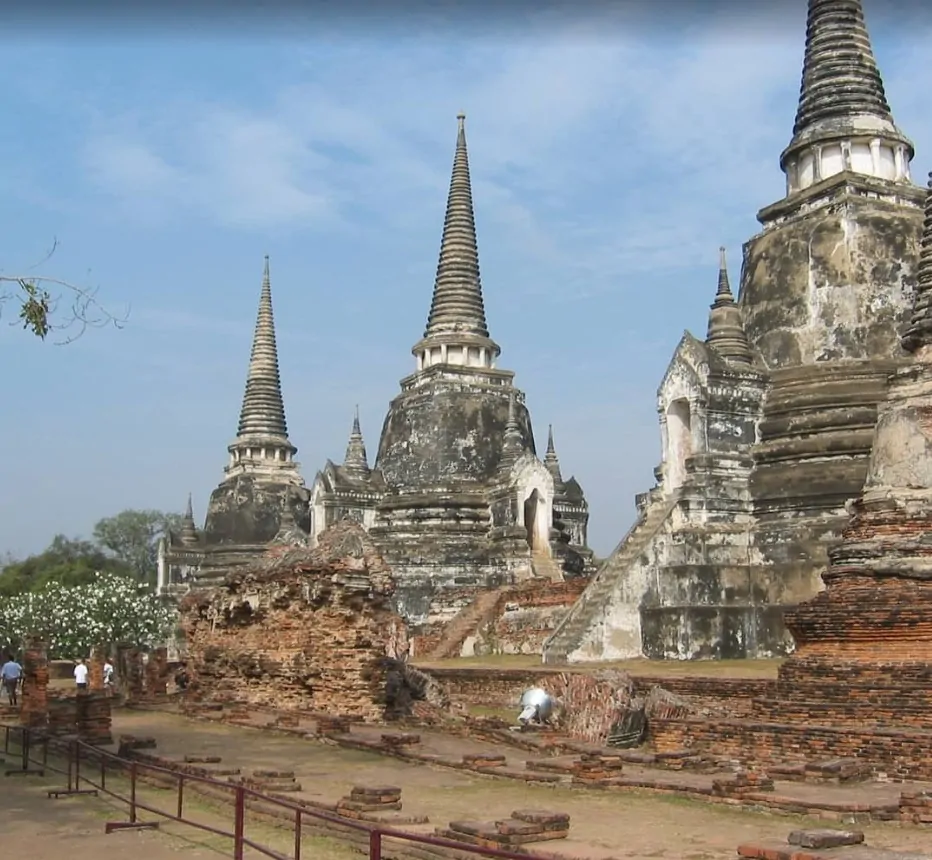
The ruins of Sukhothai are a very interesting stop if you make it to Chiang Mai, although you will need to take the train or bus to get there and even spend a night in the city to have enough time to enjoy a visit to the ruins (a UNESCO World Heritage Site since 1991).
Hippie and night markets
Chiang Mai used to lie on a fairly busy trade route, which led to the production of crafts and manufactured goods that were exported to other parts of the country. This commercial spirit is still present today through the many hippie markets and night markets you can find in the city. The best known are:
- Warorot Market, until 6 pm
- Chiang Mai Night Bazaar, the quintessential night market
- Sunday Market, Sundays from late afternoon until midnight


